

14 Agosto 1861. August 14, 1861. Books have been written, art has been created, songs have been song, blogs developed, plays have been performed, movies have been made, Pontelandolfo remembers, but have lessons been learned?
Genocide is hard to forget or forgive and yet genocide continues all over the world. OK, I am not a historian and I am calling the 1861 rape, pillage, burning and shooting of the people and places in Pontelandolfo genocide. Genocide done by the Italian army. An army that was told to annihilate everyone in the village. Italians killing Italians. Wow, in today’s world that sounds familiar.
A little back story – thanks to Pontelandolfo News – Renato Rinaldi and San Felese Society of New Jersey for a history lesson. This is all about money, power and who should be in charge. The unification of Italy and booting of the Bourbon Dynasty didn’t make everyone happy.
On August 13, 1861 General Cialdini commander of the Piedmont forces in southern Italy was getting reports from throughout southern Italy, especially in the rural southern countryside, about folks rebelling against the new regime.
He was outraged to hear that about 45 Piedmont soldiers had been killed by some rebels between Pontelandolfo and Casaldini in the province of Benevento. General Cialdini – think central casting super evil dude – loved punishing pro-Bourbonist southern Italians. Actually, bang, bang, he adored having his minions kill any pro-Bourbonist.
Why were Southern Italians so pissed off? With a new king, new government and pocket lining politicos, life changed dramatically. Decisions that seemed anti-south were imposed by Piedmont controlled local politicians as well as by central northern “national” politicians in Turin.
General Cialdini orders his field general in Campania, General De Sonnaz, to get rid of those blasted rebels and townspeople who had had the audacity to call for a Bourbon return. De Sonnaz passed the job on to Colonel Pier Eleonoro Negri.
Loving revenge, Italian Colonel Negri directed his men to launch an attack. As Pontelandolfese calmly slept, an indignant, Colonel Negri ordered that his soldiers destroy the community. Leave no stone left standing, he cried. (This command will forever seem extreme.) Entering Pontelandolfo in the middle of the night, Negri easily attacked. Within moments, the countryside was in turmoil.
Executions Under the Tilia Tree:
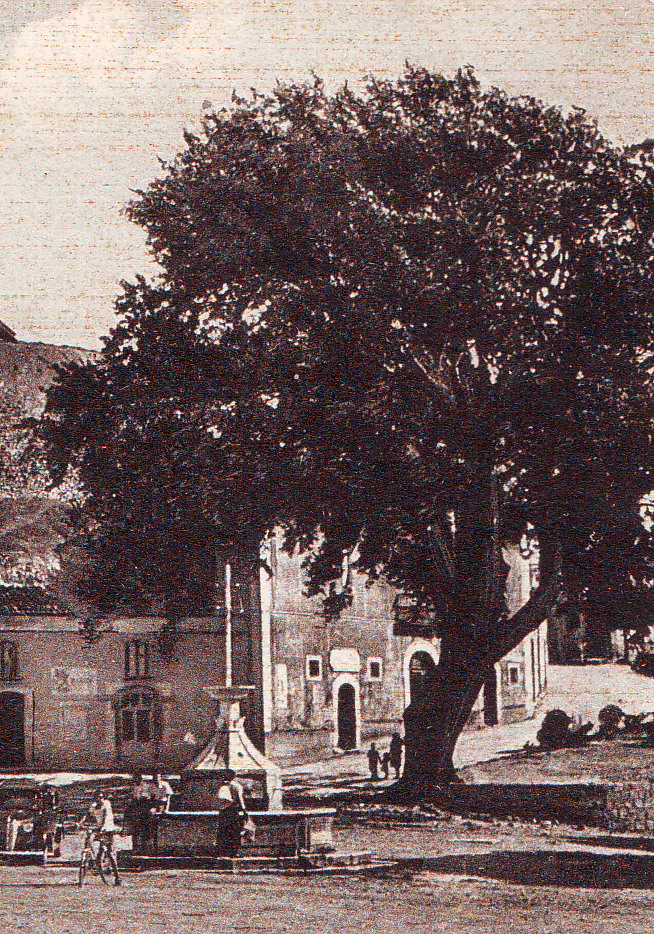
Italian soldiers crept into Pontelandolfo in the middle of the night. Everyone was asleep. Within minutes soldiers started pounding on doors, the church bells started to ring, guns were fired, boots pounded on the cobblestones. Sleeping families woke up. Holding their drowsy babies, parents wondered what was going on.
Racing to windows, balconies and doors, the Pontelandolfese were shocked to see soldiers running through their streets. The Italian Army had arrived, and everyone had a right to be afraid. The soldiers, kicked in doors, leaped up stairs, raced into homes killing men, women and children. They stole things and did things I don’t want to think about. Flames soared into the night sky, and the village burned. The people that tried to fight back were dragged under the Tilia Tree in Piazza Roma and shot. Bang, bang!

Renato Rinaldi is the publisher of the Pontelandolfo News. He was a professor, as well as, a former Officer of the Navy. Rinaldi is a passionate researcher of local history and has provided an in-depth look at the Pontelandolfo massacre of August 14, 1861. As an author, he keeps the history of Pontelandolfo before us. We thank him for that. We also thank him for his assistance with bringing Pontelandolfo to the world at large. He was instrumental in creating a village walking tour of the massacre of 1861. (I’m not sure if that is a real tourism draw but it is great for our school kids to learn our history. ) He had written stories to go with each stop on that tour and asked me to translate them into English. A few years ago, I did just that and printed a little pamphlet. Here is one of the graphic tales –
CONCETTA BIONDI:
The story of Concetta Biondi has come to represent the disdain the mercenaries in the Italian army had for all that was good and pure. Women were treated like chattel and passed from man to man. Children were tossed aside like garbage. Husbands and fathers were held by laughing plunderers and forced to watch the mayhem.
As the marauders plundered the city, young Concetta Biondi, fearing the inhuman assailants, hid behind some barrels of wine in her family’s basement. When the young maiden was discovered by the mercenaries she fainted. Like cats with a mouse they toyed with her. Her father, Nicolas Biondi, charged down the steps to save her. He was quickly tied to a chair and forced to watch the debauchery. Finally, with a murderous hand, soldier killed this delicate flower and tossed her aside. Wine poured out of the barrels mingling with Concetta’s blood.

Tonight, we will be going to see the latest play about the massacre. It is written by our pal Michele Albini. As long as the story gets told, perhaps the lessons will be learned.
Ci vediamo prossima volta.
Award Winning
Is now organizing for 2025!
Cooking in the Kitchens of Pontelandolfo
Lively Learning is also exploring artist, writer and musician retreats.
Contact me for more information. info@nonnasmulberrytree.com

 Nonna's Mulberry Tree